Table of Contents
ToggleSmart systems examples surround us daily, often without us even noticing. That thermostat adjusting itself before you wake up? Smart system. The traffic light that seems to know when rush hour hits? Also a smart system. These technologies combine sensors, data processing, and automation to make decisions that once required human input.
The appeal is simple: smart systems save time, reduce errors, and improve efficiency. They’ve moved from science fiction concepts to practical tools in homes, hospitals, factories, and city streets. This article breaks down what smart systems are and highlights real-world examples across multiple industries. Whether you’re curious about the technology or considering how it might fit into your life, you’ll find concrete examples worth knowing.
Key Takeaways
- Smart systems examples include everyday technologies like thermostats, traffic lights, and wearables that collect data, analyze it, and take action automatically.
- These systems rely on three core components: sensors to gather information, processors to interpret data, and actuators to execute responses.
- Smart home automation—including climate control, lighting, security, and voice assistants—represents the most familiar smart systems examples for consumers.
- Intelligent transportation systems use adaptive traffic signals, connected vehicles, and smart parking to reduce congestion and improve urban mobility.
- Healthcare smart systems like fitness trackers, continuous glucose monitors, and remote patient monitoring devices can detect health issues early and save lives.
- Smart manufacturing applications such as predictive maintenance and quality control help industries reduce downtime, cut costs, and improve product quality.
What Are Smart Systems?
A smart system is any technology that collects data, analyzes it, and takes action, often without human intervention. These systems rely on three core components: sensors that gather information, processors that interpret that data, and actuators that execute responses.
Think of a simple example. A motion-activated light detects movement (sensor), determines that someone is present (processor), and turns on (actuator). That’s a basic smart system at work.
More advanced smart systems use artificial intelligence and machine learning to improve their responses over time. They learn patterns, predict outcomes, and adapt to changing conditions. A smart irrigation system, for instance, doesn’t just water plants on a schedule. It checks soil moisture, weather forecasts, and plant types to determine exactly how much water each zone needs.
Smart systems examples span nearly every sector. You’ll find them in consumer electronics, urban infrastructure, healthcare devices, and industrial equipment. What connects them all is their ability to process information and respond intelligently, making tasks faster, cheaper, or more accurate than manual alternatives.
Smart Home Automation
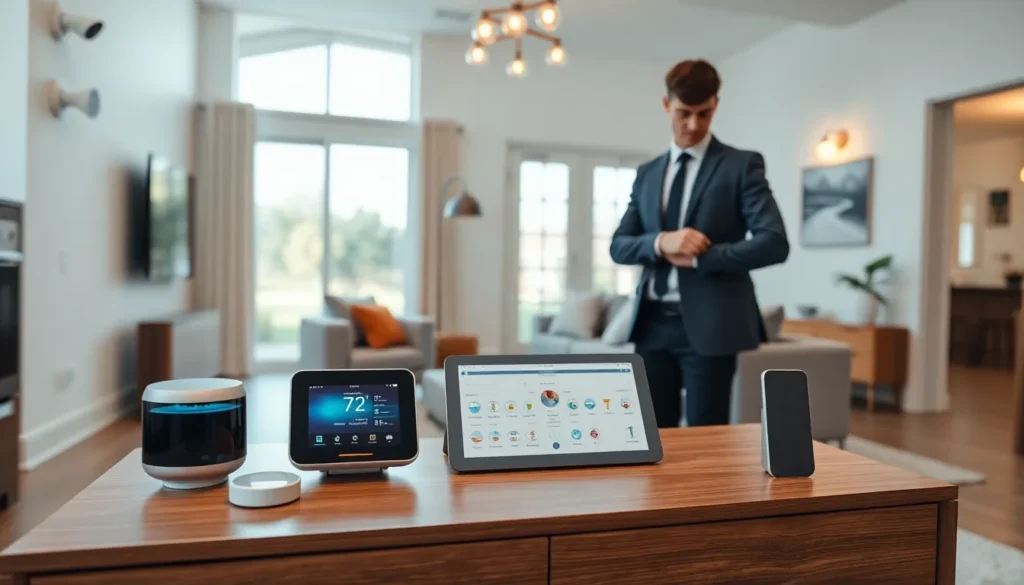
Smart home technology represents some of the most familiar smart systems examples for everyday consumers. These devices connect through WiFi or Bluetooth and respond to voice commands, schedules, or sensor triggers.
Thermostats and Climate Control
Smart thermostats like the Nest Learning Thermostat or Ecobee analyze occupancy patterns and adjust heating and cooling accordingly. They learn when residents leave for work, when they return, and what temperatures they prefer. The result? Lower energy bills and consistent comfort without constant manual adjustments.
Lighting Systems
Smart bulbs and switches allow users to control lighting from anywhere. Philips Hue and similar systems let homeowners set schedules, create scenes, and integrate with other smart devices. Some systems adjust brightness based on natural light levels or time of day.
Security and Monitoring
Video doorbells, smart locks, and security cameras represent another category of smart systems examples in the home. Ring and Arlo devices detect motion, send alerts to smartphones, and allow remote monitoring. Smart locks can grant temporary access codes to guests or service workers without sharing physical keys.
Voice Assistants
Amazon Alexa, Google Assistant, and Apple’s Siri act as central hubs for many smart home setups. They process voice commands and coordinate actions across multiple devices, creating a unified control point for the entire home.
Intelligent Transportation Systems
Cities worldwide rely on intelligent transportation systems to manage traffic flow, reduce accidents, and cut emissions. These smart systems examples demonstrate how data-driven decisions can improve public infrastructure.
Adaptive Traffic Signals
Traditional traffic lights operate on fixed timers. Adaptive signals, but, use cameras and sensors to monitor real-time traffic volume. They adjust green light duration based on actual conditions, reducing wait times and improving traffic flow. Cities like Los Angeles and Pittsburgh have implemented these systems with measurable results in reduced congestion.
Connected Vehicles
Modern vehicles increasingly communicate with infrastructure and each other. Vehicle-to-everything (V2X) technology allows cars to receive warnings about road hazards, traffic conditions, and signal timing. This connectivity helps drivers make better decisions and prepares the ground for autonomous vehicles.
Public Transit Optimization
Bus and train systems use smart technology to provide real-time arrival information, adjust routes based on demand, and manage fleet maintenance. GPS tracking feeds into apps that tell passengers exactly when their bus will arrive, no more guessing or unnecessary waiting.
Parking Management
Smart parking systems use sensors to detect available spaces and direct drivers to open spots. This reduces the time spent circling lots and lowers emissions from idling vehicles. Some systems integrate with payment apps for seamless transactions.
Healthcare and Wearable Technology
Healthcare offers compelling smart systems examples that directly impact quality of life. Wearable devices and connected medical equipment help patients and providers make informed decisions.
Fitness Trackers and Smartwatches
Devices like the Apple Watch and Fitbit monitor heart rate, sleep patterns, activity levels, and more. They analyze trends over time and alert users to irregularities. The Apple Watch has detected atrial fibrillation in users who had no idea they had a heart condition, potentially life-saving information.
Continuous Glucose Monitors
Diabetic patients benefit from continuous glucose monitoring systems that track blood sugar levels around the clock. Devices from Dexcom and Abbott send readings to smartphones and can alert users before dangerous highs or lows occur. Some integrate with insulin pumps for automated delivery adjustments.
Remote Patient Monitoring
Hospitals and clinics use smart systems to monitor patients at home. Connected devices transmit vital signs to healthcare providers, allowing earlier intervention when problems arise. This approach reduces hospital readmissions and gives patients more independence.
Smart Medical Equipment
From infusion pumps that calculate dosages to imaging equipment that flags abnormalities, medical devices increasingly incorporate intelligent features. These smart systems examples help clinicians work more efficiently and catch issues that might otherwise go unnoticed.
Smart Manufacturing and Industry
Industrial settings have adopted smart systems to increase productivity, reduce downtime, and improve safety. These applications often fall under the umbrella of Industry 4.0 or the Industrial Internet of Things (IIoT).
Predictive Maintenance
Sensors on factory equipment monitor vibration, temperature, and other indicators of machine health. Algorithms analyze this data to predict when components will fail, allowing maintenance before breakdowns occur. This approach saves money by preventing unplanned downtime and extending equipment life.
Quality Control Systems
Computer vision systems inspect products on assembly lines, catching defects that human inspectors might miss. These smart systems examples work at high speeds and maintain consistent accuracy throughout long shifts. Manufacturers achieve higher quality standards with lower labor costs.
Supply Chain Optimization
Smart systems track inventory levels, monitor shipments in transit, and predict demand patterns. This visibility allows companies to reduce waste, avoid stockouts, and respond quickly to market changes. RFID tags and GPS trackers provide real-time location data for goods moving through the supply chain.
Energy Management
Industrial facilities use smart systems to optimize energy consumption. Sensors monitor usage across different processes, and control systems adjust operations to reduce waste. Some facilities shift energy-intensive tasks to off-peak hours when electricity costs less.