Table of Contents
ToggleTop smart systems are reshaping how people live, work, and interact with their surroundings. From voice-controlled thermostats to AI-driven health monitors, these technologies bring convenience, efficiency, and safety into everyday life. The adoption of smart systems has accelerated in recent years. Homeowners and businesses alike now rely on interconnected devices to simplify tasks and reduce costs. This article explores the leading categories of smart systems that are making the biggest impact on modern living. Each section covers a distinct area where intelligent technology delivers real, measurable benefits.
Key Takeaways
- Top smart systems are transforming homes, businesses, and daily life through automation, security, energy management, health monitoring, and transportation.
- Smart home automation platforms like Alexa, Google Home, and Apple HomeKit let users control lighting, climate, and appliances with voice commands or a single app.
- Intelligent security systems use AI to reduce false alarms, provide remote monitoring, and integrate with smart locks for comprehensive protection.
- Smart energy management solutions, including thermostats and solar integrations, help reduce utility bills by optimizing consumption in real time.
- AI-powered health devices track vital signs, enable remote patient monitoring, and empower users to take control of their wellness.
- Connected vehicle systems enhance safety with driver-assistance features while supporting electric vehicles and smart fleet management.
Smart Home Automation Systems
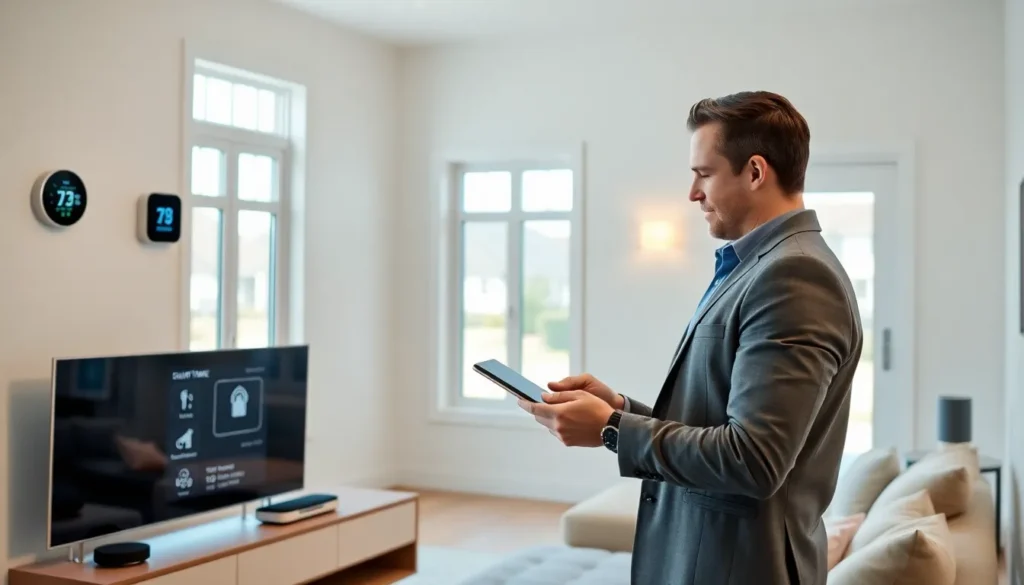
Smart home automation systems sit at the center of the connected living revolution. These systems allow homeowners to control lighting, climate, appliances, and entertainment through a single interface. Popular platforms like Amazon Alexa, Google Home, and Apple HomeKit serve as hubs for dozens of compatible devices.
The appeal of smart home automation lies in its simplicity. A user can dim the lights, lock the doors, and adjust the thermostat with a single voice command or tap on a smartphone app. Scheduling features let devices operate automatically based on time of day or occupancy. For example, smart thermostats learn household patterns and adjust temperatures to save energy without sacrificing comfort.
Smart lighting systems offer another practical benefit. LED bulbs with built-in Wi-Fi respond to voice commands and can simulate occupancy when residents travel. This adds a layer of security while cutting electricity bills.
Integration is a key strength of top smart systems in this category. A well-designed setup connects door locks, cameras, speakers, and kitchen appliances into one ecosystem. The result is a home that responds to its occupants’ needs in real time. As prices drop and compatibility improves, smart home automation continues to grow in popularity across all income levels.
Intelligent Security and Surveillance
Intelligent security systems give homeowners and businesses greater control over safety. Modern smart cameras, doorbells, and motion sensors use AI to distinguish between routine activity and genuine threats. This reduces false alarms and sends accurate alerts to users’ phones.
Video doorbells from brands like Ring and Nest allow users to see and speak with visitors remotely. Motion-activated cameras record footage and store it in the cloud for easy access. Many systems include night vision and two-way audio, providing round-the-clock protection.
Smart locks add another layer of security. Users can grant temporary access codes to guests or service workers without handing over physical keys. Lock activity logs show exactly who entered and when. If a door is left unlocked, the system sends an instant notification.
Top smart systems in security also integrate with other home automation devices. For instance, a triggered motion sensor can turn on interior lights and begin recording video simultaneously. This coordinated response deters intruders and captures evidence if needed.
Professional monitoring services pair with many smart security setups. These services contact emergency responders when sensors detect smoke, carbon monoxide, or break-ins. The combination of AI detection and human oversight creates a comprehensive safety net.
Smart Energy Management Solutions
Smart energy management solutions help households and businesses reduce consumption and lower utility bills. These systems monitor electricity, gas, and water usage in real time. Users receive detailed reports showing which devices consume the most power.
Smart thermostats represent one of the most effective energy-saving tools. Devices like the Nest Learning Thermostat and Ecobee adapt to user schedules and preferences. They reduce heating and cooling when no one is home and resume normal operation before residents return.
Smart plugs and power strips extend control to individual appliances. Users can turn off devices remotely or set schedules to prevent standby power drain. Some models track energy use per outlet, revealing hidden costs.
Solar panel systems increasingly incorporate smart technology. Inverters and battery storage units communicate with home energy management platforms. Homeowners can monitor production, storage levels, and grid exports from a single app. Top smart systems in this space optimize when to use stored energy versus drawing from the grid, maximizing savings.
For businesses, smart energy management scales up to include HVAC controls, lighting automation, and demand response programs. These tools help companies meet sustainability goals while protecting the bottom line.
AI-Powered Health and Wellness Systems
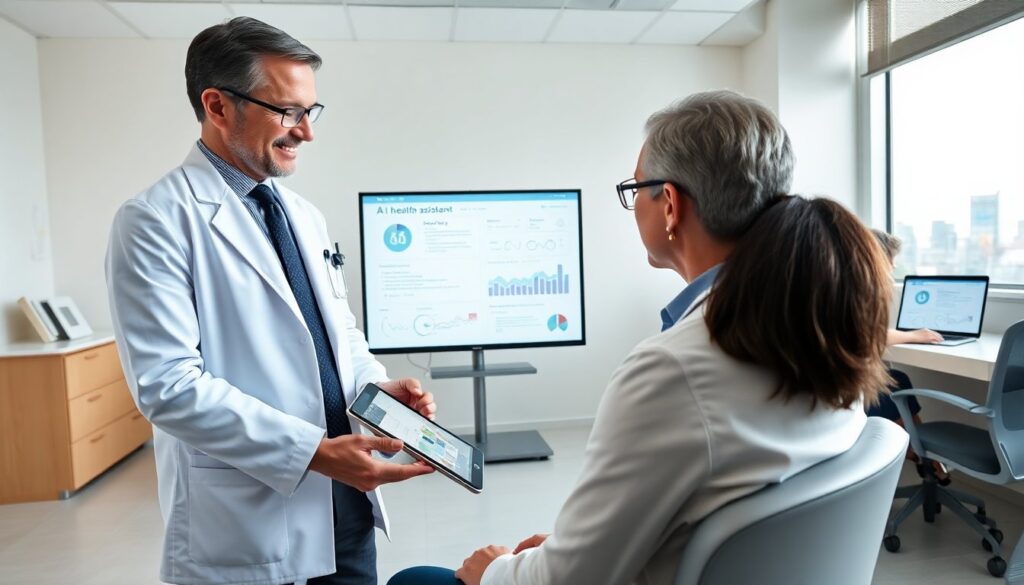
AI-powered health and wellness systems bring medical-grade monitoring into homes. Wearable devices like the Apple Watch and Fitbit track heart rate, sleep quality, blood oxygen levels, and physical activity. These gadgets sync with smartphone apps to provide actionable health insights.
Smart scales measure weight, body fat percentage, and muscle mass. They upload data to cloud platforms where users can track trends over time. Some models integrate with fitness apps to adjust calorie goals automatically.
Remote patient monitoring is another growing application. Seniors and individuals with chronic conditions use connected devices to share vital signs with healthcare providers. Blood pressure cuffs, glucose monitors, and pulse oximeters transmit readings directly to medical teams. This enables early intervention and reduces unnecessary hospital visits.
Mental wellness apps powered by AI offer personalized meditation, therapy exercises, and mood tracking. These tools analyze user input and adapt recommendations based on patterns. Top smart systems in health also include smart pill dispensers that remind users to take medication and alert caregivers if doses are missed.
The integration of AI into health devices continues to improve accuracy and accessibility. These systems empower users to take an active role in their well-being.
Connected Transportation and Vehicle Systems
Connected transportation systems are changing how people move through cities and highways. Modern vehicles come equipped with infotainment systems, GPS navigation, and driver-assistance features. These technologies improve safety, reduce fuel consumption, and enhance the driving experience.
Advanced driver-assistance systems (ADAS) use cameras, radar, and sensors to prevent accidents. Features like automatic emergency braking, lane-keeping assist, and adaptive cruise control respond faster than human reflexes. Many new cars offer semi-autonomous driving modes for highway travel.
Electric vehicles (EVs) rely heavily on smart systems. Onboard computers manage battery performance, charging schedules, and route planning. EV owners can preheat or cool their cars remotely using smartphone apps. Charging networks use smart technology to locate available stations and estimate wait times.
Fleet management platforms help businesses track vehicle locations, monitor driver behavior, and schedule maintenance. These systems reduce operating costs and improve delivery times. Top smart systems in transportation also support ride-sharing and car-sharing services, making personal vehicle ownership less necessary in urban areas.
Public transit agencies deploy smart systems to optimize bus and train schedules. Real-time tracking apps tell commuters exactly when their ride will arrive. This transparency encourages public transit use and reduces traffic congestion.