Table of Contents
ToggleSmart systems are changing how people live, work, and interact with technology. These intelligent networks combine sensors, data processing, and automation to make decisions without constant human input. From thermostats that learn household preferences to cities that manage traffic flow in real time, smart systems have become part of daily life.
This guide explains what smart systems are, how they work, and where they show up in everyday situations. It also covers the benefits these technologies offer and the challenges they present. Whether someone is new to the concept or looking to deepen their understanding, this article provides a clear breakdown of intelligent technology.
Key Takeaways
- Smart systems combine sensors, data processing, and automation to adapt and respond to changing conditions without constant human input.
- The three core functions of smart systems are sensing (collecting data), processing (analyzing with AI or algorithms), and acting (taking automated actions).
- Unlike basic automation, smart systems learn from patterns and improve their performance over time through feedback loops.
- Common applications include smart homes, healthcare wearables, transportation, manufacturing, and energy management.
- Benefits of smart systems include improved efficiency, convenience, better decision-making, and enhanced safety.
- Key challenges include privacy concerns, security vulnerabilities, upfront costs, and reliability issues during power or connectivity outages.
Understanding Smart Systems Technology
A smart system is a network of connected devices that collects data, processes information, and takes action based on that analysis. Unlike traditional systems that follow fixed rules, smart systems adapt and respond to changing conditions. They learn from patterns and adjust their behavior over time.
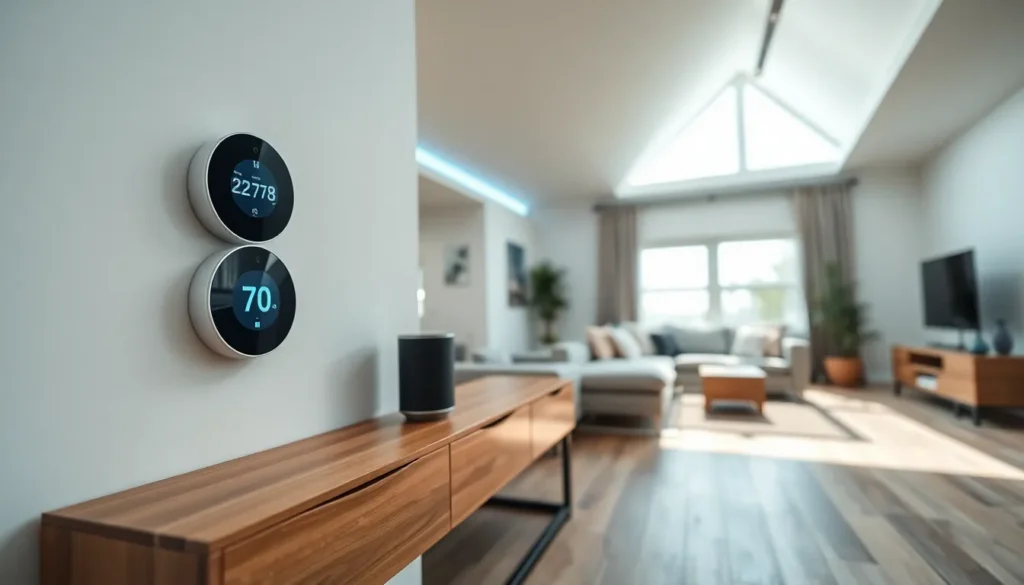
The core idea behind smart systems is simple: gather information, analyze it, and act. A smart thermostat, for example, tracks when residents are home, monitors outdoor temperatures, and adjusts heating or cooling settings accordingly. It doesn’t just follow a schedule, it learns habits and optimizes comfort while saving energy.
Smart systems rely on three main functions:
- Sensing: Devices collect data from the environment using sensors. These might measure temperature, motion, light, sound, or other variables.
- Processing: Software analyzes the collected data using algorithms, often powered by artificial intelligence or machine learning.
- Acting: Based on the analysis, the system takes an action, adjusting a setting, sending an alert, or triggering another device.
This combination of sensing, processing, and acting creates a feedback loop. The system constantly monitors results and refines its approach. That’s what makes smart systems “intelligent” rather than simply automated.
Smart systems differ from basic automation in one key way: adaptability. A timer-based sprinkler runs on a fixed schedule regardless of weather. A smart irrigation system checks soil moisture and weather forecasts before deciding whether to water. The second approach saves resources and produces better results.
Key Components of Smart Systems
Every smart system contains several essential components working together. Understanding these parts helps explain how intelligent technology functions.
Sensors and Input Devices
Sensors form the foundation of any smart system. They detect changes in the physical environment and convert those observations into digital data. Common sensor types include:
- Temperature sensors
- Motion detectors
- Cameras and image sensors
- Microphones for voice recognition
- GPS and location trackers
- Pressure and touch sensors
Without sensors, smart systems would have no information to process. The quality and placement of sensors directly affect system performance.
Connectivity and Communication
Smart systems need ways to transmit data between devices. They use various communication protocols including Wi-Fi, Bluetooth, Zigbee, and cellular networks. Cloud connectivity allows systems to access remote servers for additional processing power and storage.
The Internet of Things (IoT) describes this network of connected devices sharing information. A smart home might have dozens of IoT devices communicating with each other and with cloud services.
Processing Units and Software
Data processing happens either locally on the device or remotely in the cloud. Edge computing processes information close to where it’s collected, reducing delays. Cloud processing offers more computing power for complex analysis.
The software running on these processors uses algorithms to interpret data and make decisions. Machine learning models improve over time as they encounter more examples. This is how smart systems get “smarter” with use.
Actuators and Output Devices
Actuators convert digital decisions into physical actions. They might adjust a valve, turn on a light, lock a door, or display information on a screen. Output devices complete the cycle by carrying out what the smart system decides.
Common Applications in Everyday Life
Smart systems appear across many industries and daily activities. Here are some of the most common applications people encounter.
Smart Homes
Residential smart systems include thermostats, lighting controls, security cameras, door locks, and voice assistants. These devices work together to increase comfort, security, and energy efficiency. A smart home might automatically lock doors at night, dim lights during movie time, and adjust temperature based on occupancy.
Healthcare and Wearables
Smart systems monitor health through wearable devices like fitness trackers and smartwatches. They track heart rate, sleep patterns, activity levels, and other metrics. Medical-grade smart systems help doctors monitor patients remotely and detect potential problems early.
Transportation
Modern vehicles use smart systems for navigation, collision avoidance, parking assistance, and fuel management. Self-driving cars represent the most advanced application, using sensors and AI to operate without human drivers. Smart traffic systems in cities adjust signal timing based on real-time congestion data.
Manufacturing and Industry
Factories use smart systems to monitor equipment, predict maintenance needs, and optimize production schedules. These industrial applications improve efficiency and reduce downtime. Sensors on machinery detect early signs of wear before breakdowns occur.
Energy Management
Smart grids balance electricity supply and demand across power networks. In buildings, smart systems reduce energy waste by controlling HVAC, lighting, and other systems based on occupancy and usage patterns.
Benefits and Challenges of Smart Systems
Smart systems offer significant advantages, but they also raise important concerns. Both sides deserve consideration.
Benefits
Efficiency: Smart systems optimize resource use. They reduce energy consumption, minimize waste, and streamline operations. A smart building might cut energy costs by 20-30% compared to traditional buildings.
Convenience: Automation handles routine tasks, freeing people to focus on other priorities. Voice commands control devices. Systems anticipate needs and respond proactively.
Better Decision-Making: Data analysis reveals patterns humans might miss. Smart systems provide insights that lead to smarter choices in business, healthcare, and personal life.
Safety: Smart security systems detect intrusions, fire, and other hazards. In vehicles, collision avoidance systems prevent accidents.
Challenges
Privacy Concerns: Smart systems collect large amounts of personal data. This information could be misused, hacked, or shared without consent. Users must trust that companies protect their data responsibly.
Security Vulnerabilities: Connected devices create entry points for cyberattacks. A compromised smart system could give attackers access to home networks, personal information, or critical infrastructure.
Cost and Complexity: Smart systems require upfront investment and ongoing maintenance. Some users find setup and management frustrating, especially when devices from different manufacturers don’t work well together.
Reliability: Smart systems depend on power, internet connectivity, and functioning software. When any of these fail, the system may stop working entirely. Traditional systems often prove more dependable in outages.